Blog · 2026-09-16
How we build a brand communication
By Belén Lamendola, founder & creative director of PBR
Producing content is easy. Publishing every week is easy. The hard part, and the only part that actually moves a business, is making every piece belong to the same story. When that happens, the brand is recognized before the name is read. When it does not, you pile up nice posts that build nothing.
This is the order we follow on a project, whether it is a product brand, a hotel, a club or a real estate company. What gets produced changes. The order does not.
1. Understand before producing
No project starts with a camera. It starts with the diagnostic: eight questions about the business, and on our side a review of its category, its direct competition and its numbers. Nearly half of the requests do not make it past this point, and we say so to their face.
It is not paperwork. It is what prevents the most expensive mistake in this trade: producing a lot, and producing it well, for a business that was not ready to receive it.
2. Define the universe you are going to communicate
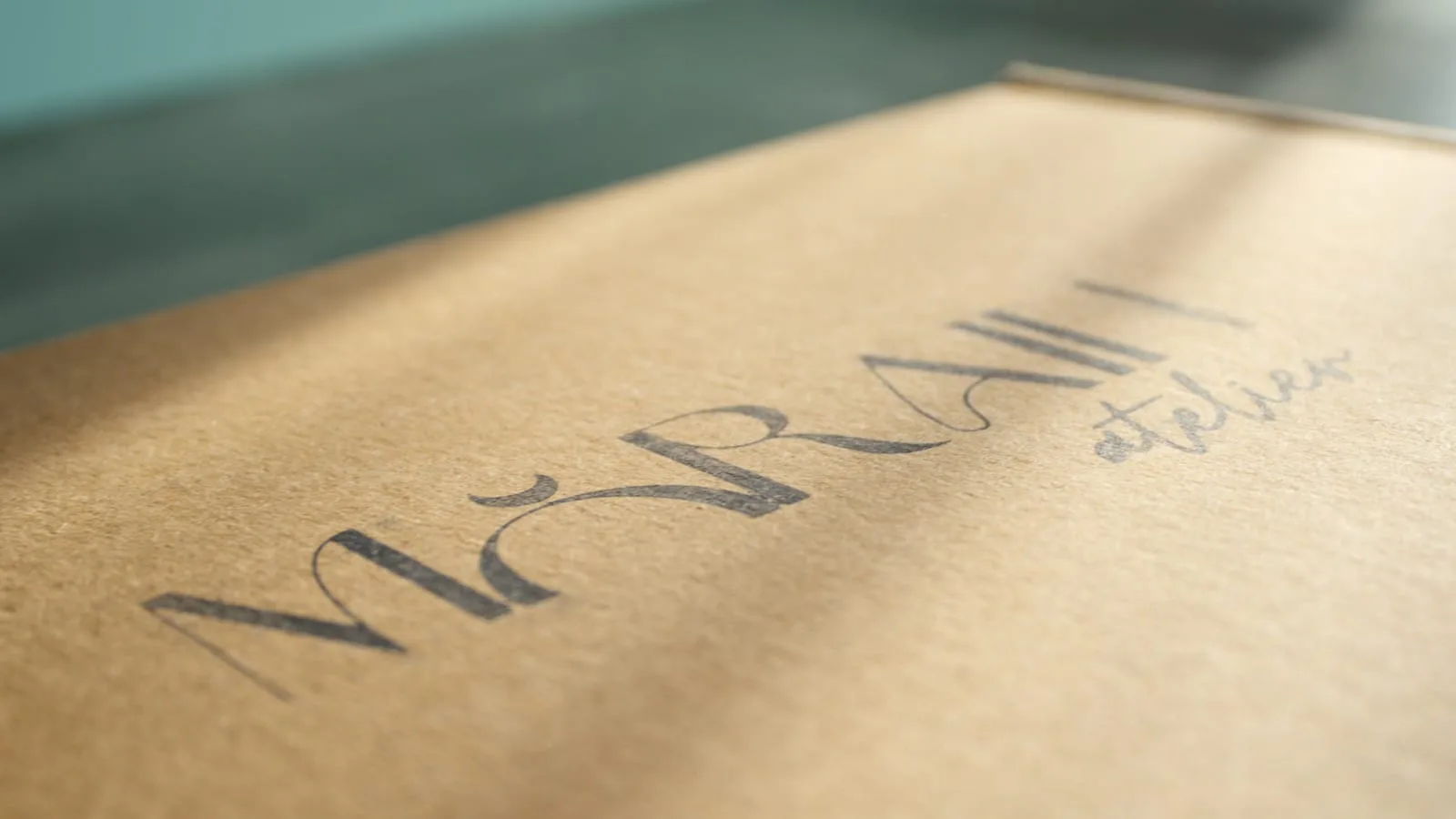
A brand is not its catalog. When we started with Morain Atelier, a Mexican crochet brand, the challenge was not photographing bags: it was building communication able to convey the brand universe beyond its products. The same applies to a restaurant, a golf course or an apartment for sale. What people buy is almost never the object.
That is why content is built from several angles at once: product, style, process, identity and the stories behind each piece. One angle gets boring. Five angles with no thread get confusing. The difference is in the next step.
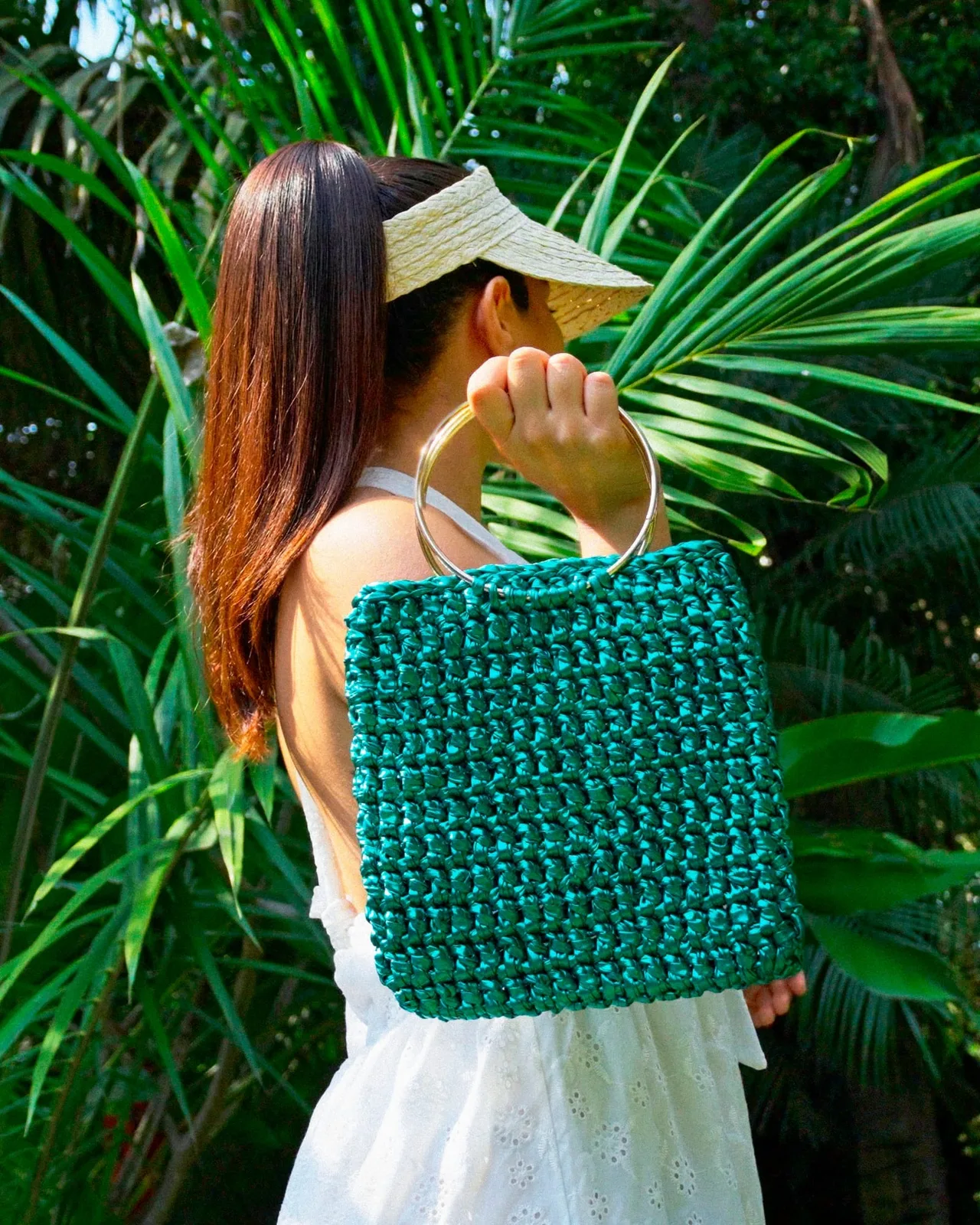
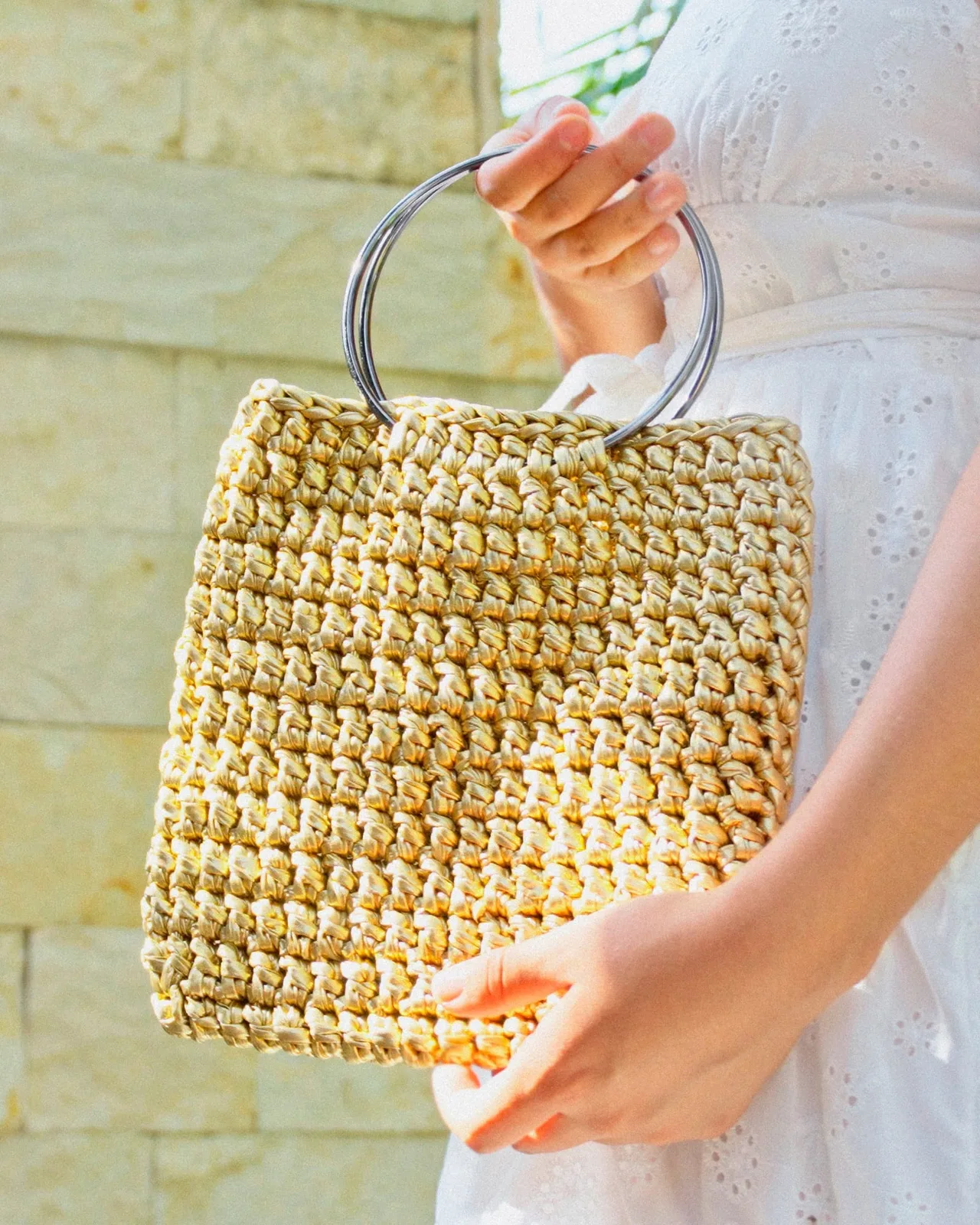 Real work · not examplesSee the work
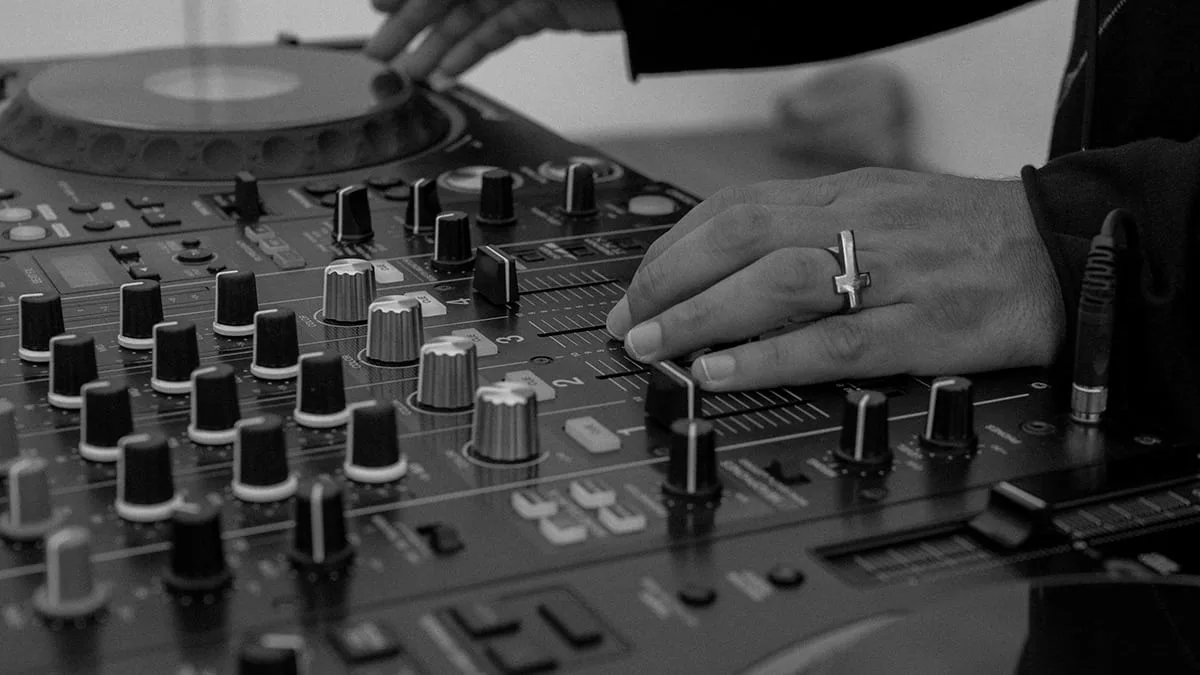
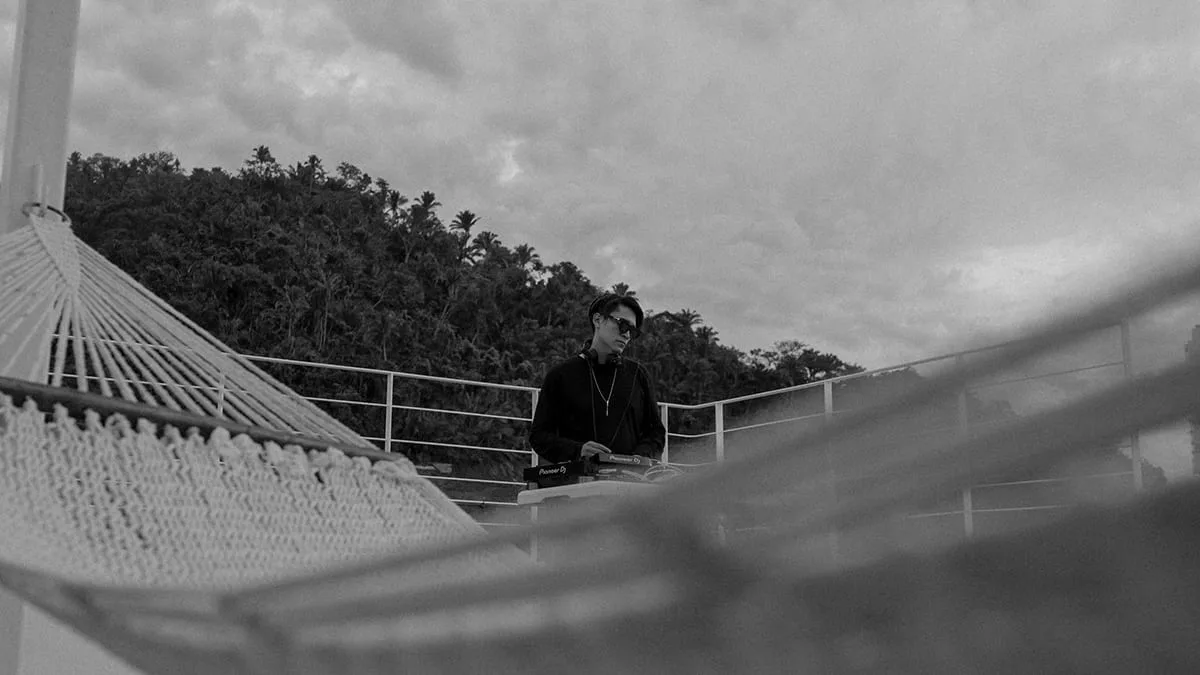
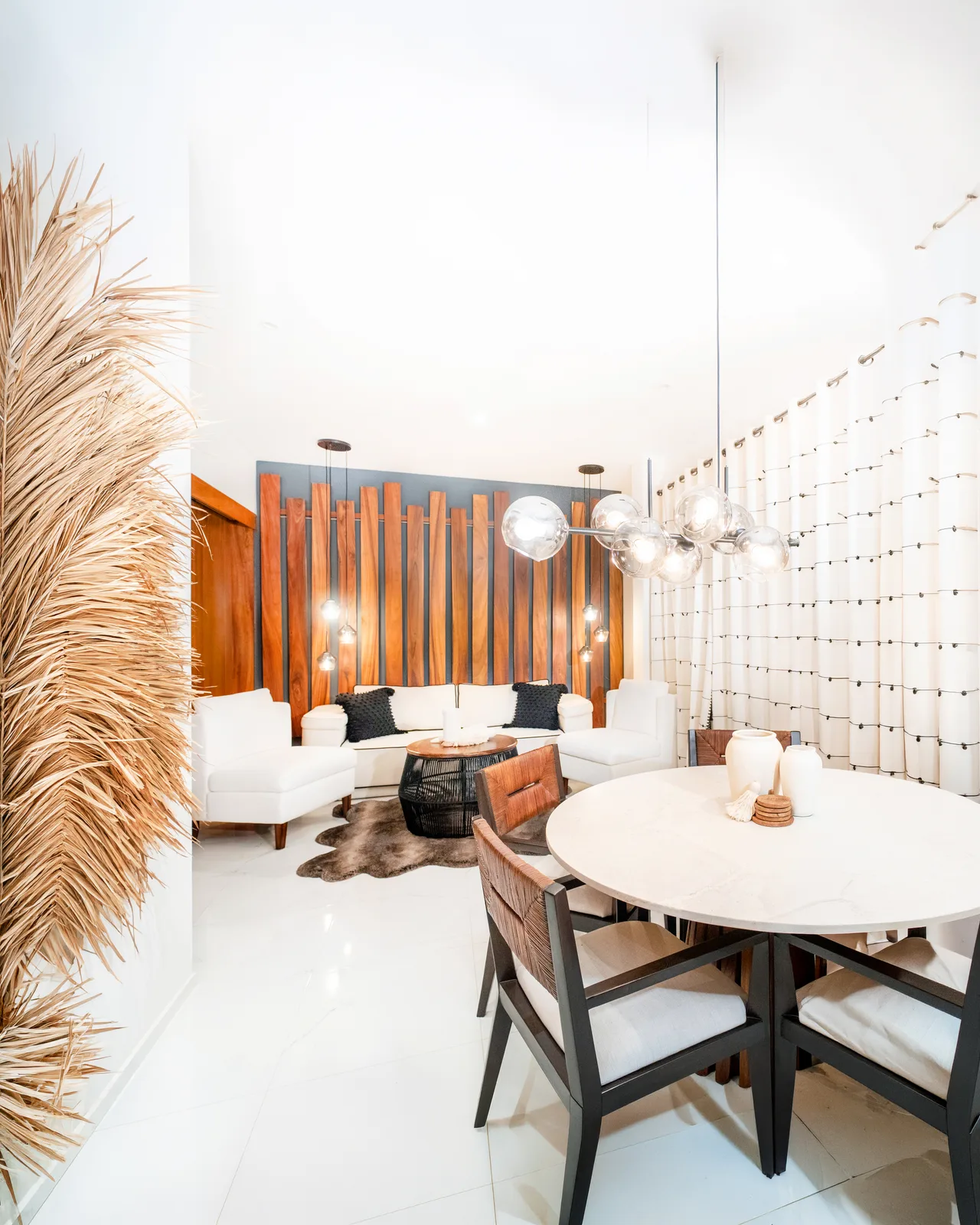
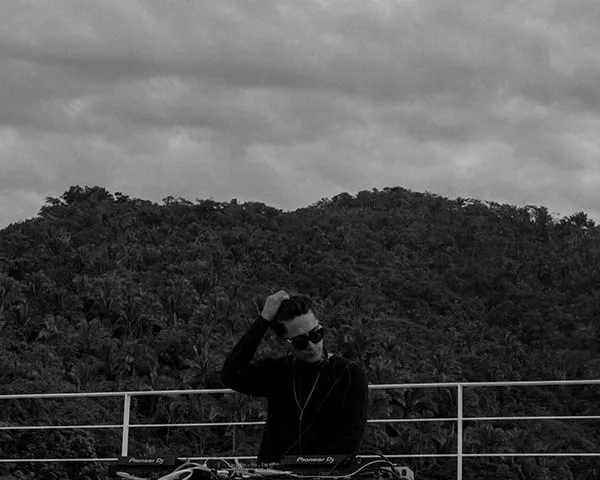
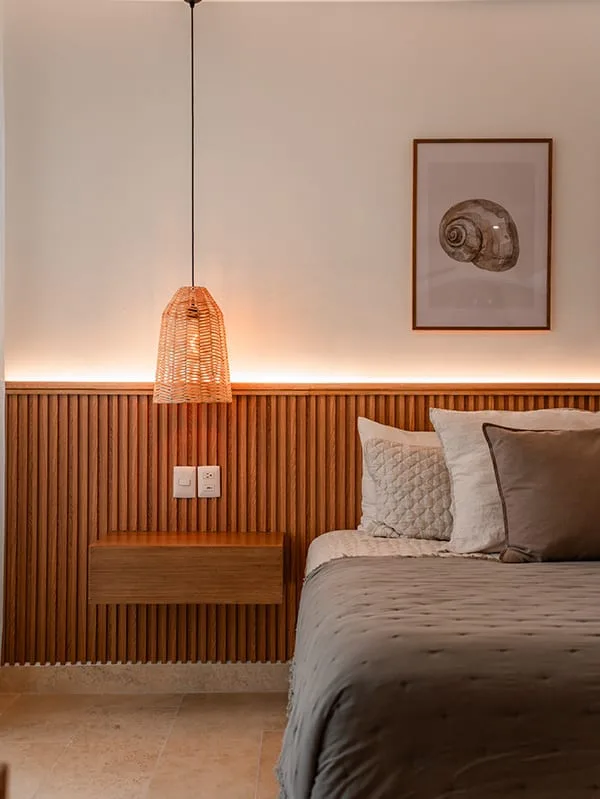
PBR production for businesses in Puerto Vallarta and Riviera Nayarit.
3. One narrative, not loose pieces
This is the part the industry skips most. Rather than producing content in isolation, we make every piece part of a coherent, recognizable narrative. The product photo, the process video and the story copy hold each other up, even when they are published weeks apart.
In practice that means deciding what each image has to say before the camera comes out. Creative direction is not the taste of whoever shoots: it is the rule that makes fifty different pieces look like they come from the same house.
4. Our own production, nothing borrowed
Everything we deliver is produced for the brand: photography, video, copy in Spanish and English, design. No stock. A brand communicating with photos its competitor also uses is not building anything of its own.
5. Organic and paid, together
Organic work builds the brand; paid media puts it in front of people who do not know it yet. We separate them in execution, not in strategy: Meta Ads campaigns come from the same material and the same narrative as the everyday content. Advertising with pieces made on the side, unrelated to what the brand publishes, is paying to introduce a stranger.

6. Measure it, and sit down to look at it
Every client gets access to a private dashboard: their business numbers, updated hourly, on their phone. And every week we sit down on a scheduled agenda to review them, explain what they mean and agree on the next steps.
That meeting is what turns content into decisions. Without it, a dashboard is a pretty screen nobody reads.
7. A project is not delivered, it evolves
A well-run project does not end when the files are handed over. Morain Atelier communication, for instance, keeps evolving: the conversation widened from product into design, lifestyle, process and authorship, to build a presence with more depth and reach.
That is the goal in any category: that the brand still has something to say next year without repeating itself, because there is a universe behind it and not just a catalog.
How it starts
With the diagnostic, always. Eight questions, at no cost, and an honest answer on whether we can move your numbers or not. If the answer is no, we tell you that too, and we tell you why.